Historically also known as Droëgeryskloof, the valley in which Wagenpad is situated has a long human history. The name “wagenpad” refers to the old wagon path leading through the kloof and over the saddle to Moutonshoek, Kapteinskloof and the Verlorenvlei estuary, which reaches the sea at Elands Bay.
The first inhabitants of the kloof were San hunter-gatherers and Khoekhoen pastoralists, who lived on the plains to the Southwest of the Cederberg mountains for centuries, and whose historical presence is evidenced by the rock paintings and stone tools found on Wagenpad.
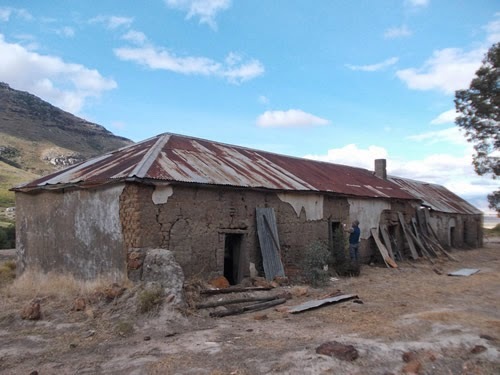
European settlers, mostly of Dutch descent, arrived in the Sandveld in the late seventeenth century, displacing indigenous peoples as they moved North. They started producing wheat and farming with cattle and sheep in the area to supply the Dutch East India Company in the Cape. One of these families, the Smit’s, came to own large parts of the Sandveld. The earliest recorded inhabitant of the valley was Erasmus Smit, who occupied “Wagendrift on the Janko Rivier,” as a loan farm in 1750 for grazing cattle (Guy, 2016). In 1839, the farm portion “Wagenpad” was given to Johanna Smit, who lived in a large T-shaped house at the center of the valley. This T-shaped house was built with clay bricks and had a thatch-roof and its ruins can still be seen today.
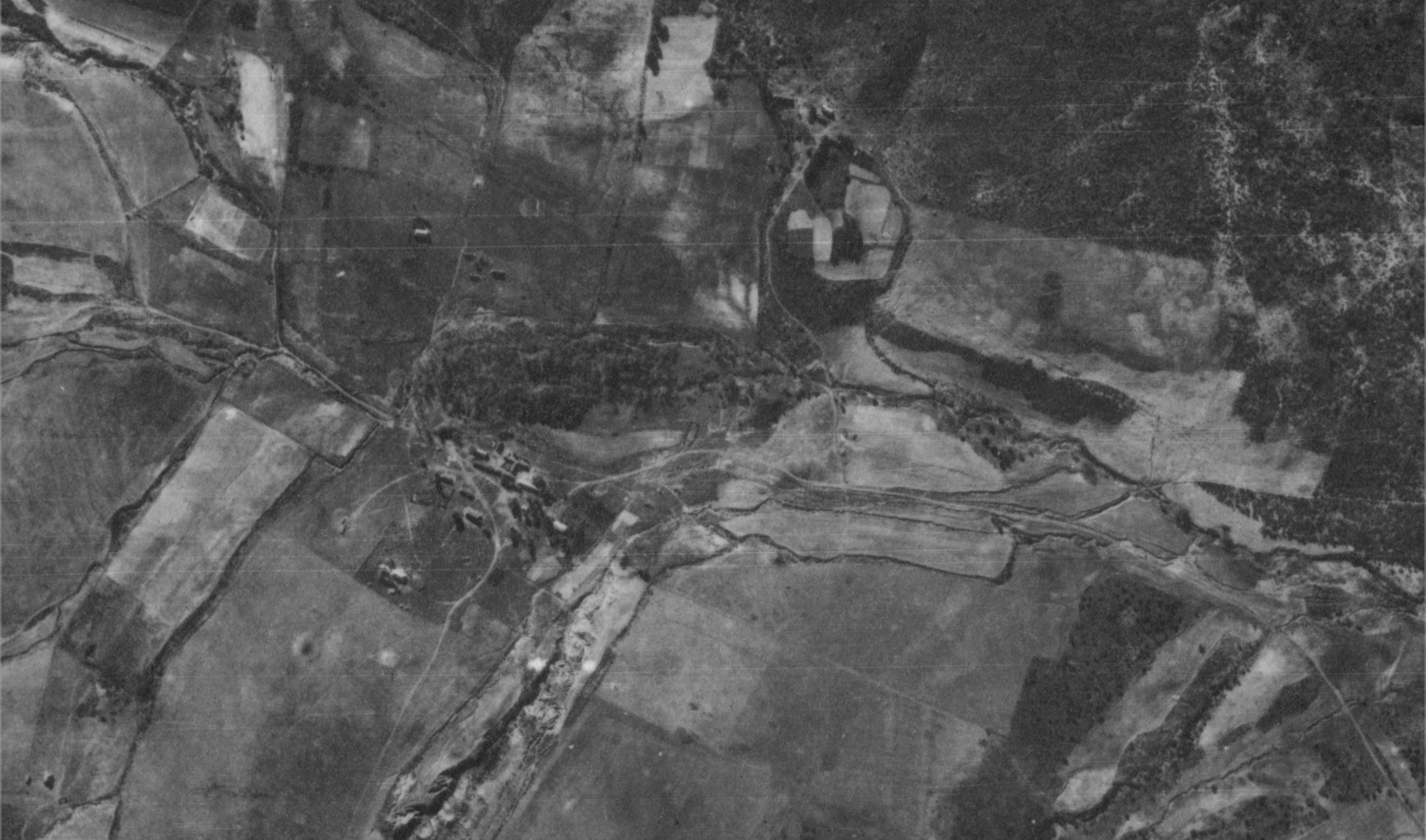
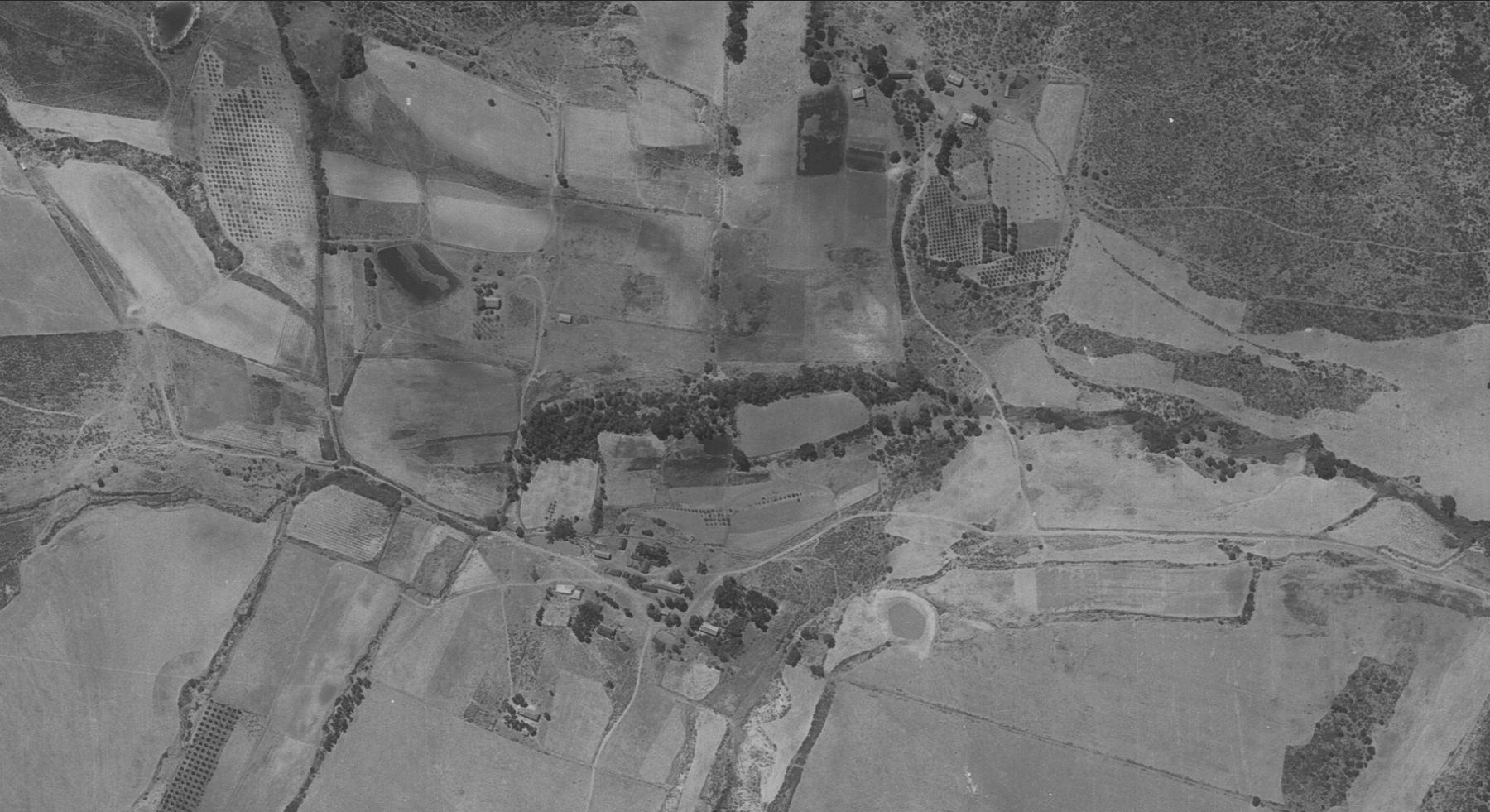
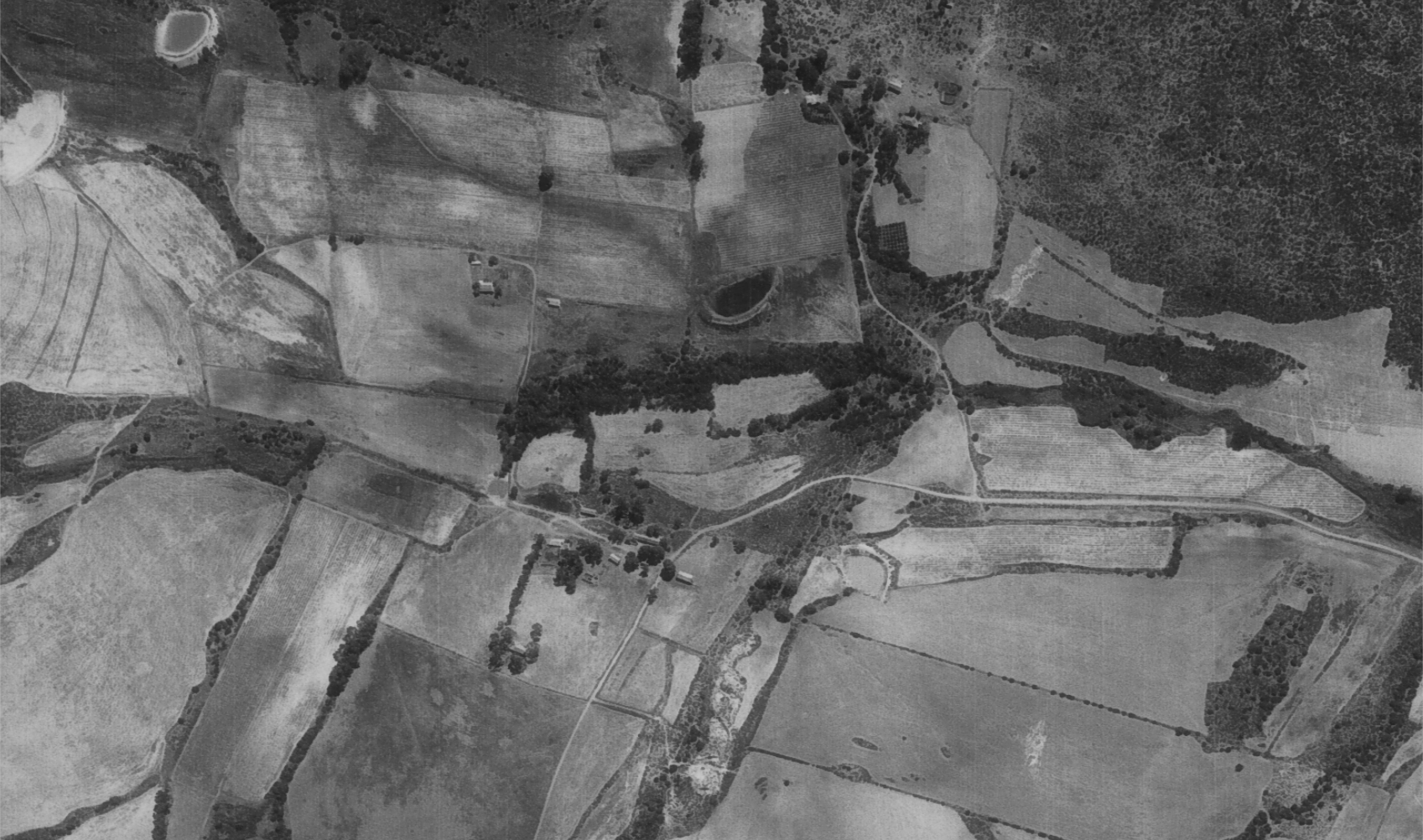
By the early 1900s, the kloof had developed into a small settlement, with a shop, school and post office, and by the mid-twentieth century its population had grown to as many as 100 inhabitants. In 1905, the farm was held by eight “quitrent” owners, a form of tenure that granted secure occupation of the land in return for an annual payment to the state. Ownership remained highly fragmented thereafter: between 1905 and 1940, 31 distinct individuals held ownership interests in the farm, before it was formally subdivided into eleven separate portions in 1940.
The latter half of the 20th century saw a gradual depopulation of the valley, as people in rural areas throughout the country sought to migrate to towns and cities in search of opportunity. Mechanisation reduced labour requirements, while state support for agriculture was also gradually removed, making the small-scale agriculture that existed in the valley increasingly difficult to sustain in the harsh Sandveld environment.
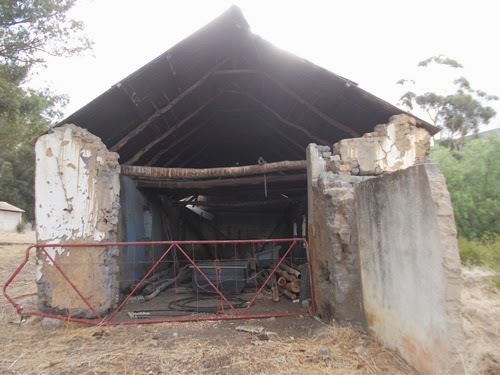
Over time, the separate portions in the valley (Sitmaarso, Môrewag, Wagenpad, Rooiheuwel, Keurbos and Waterval, Oorwinningsfontein) were consolidated into one. By the late 20th century the land was lying all but fallow and many of the buildings had fallen into ruin.

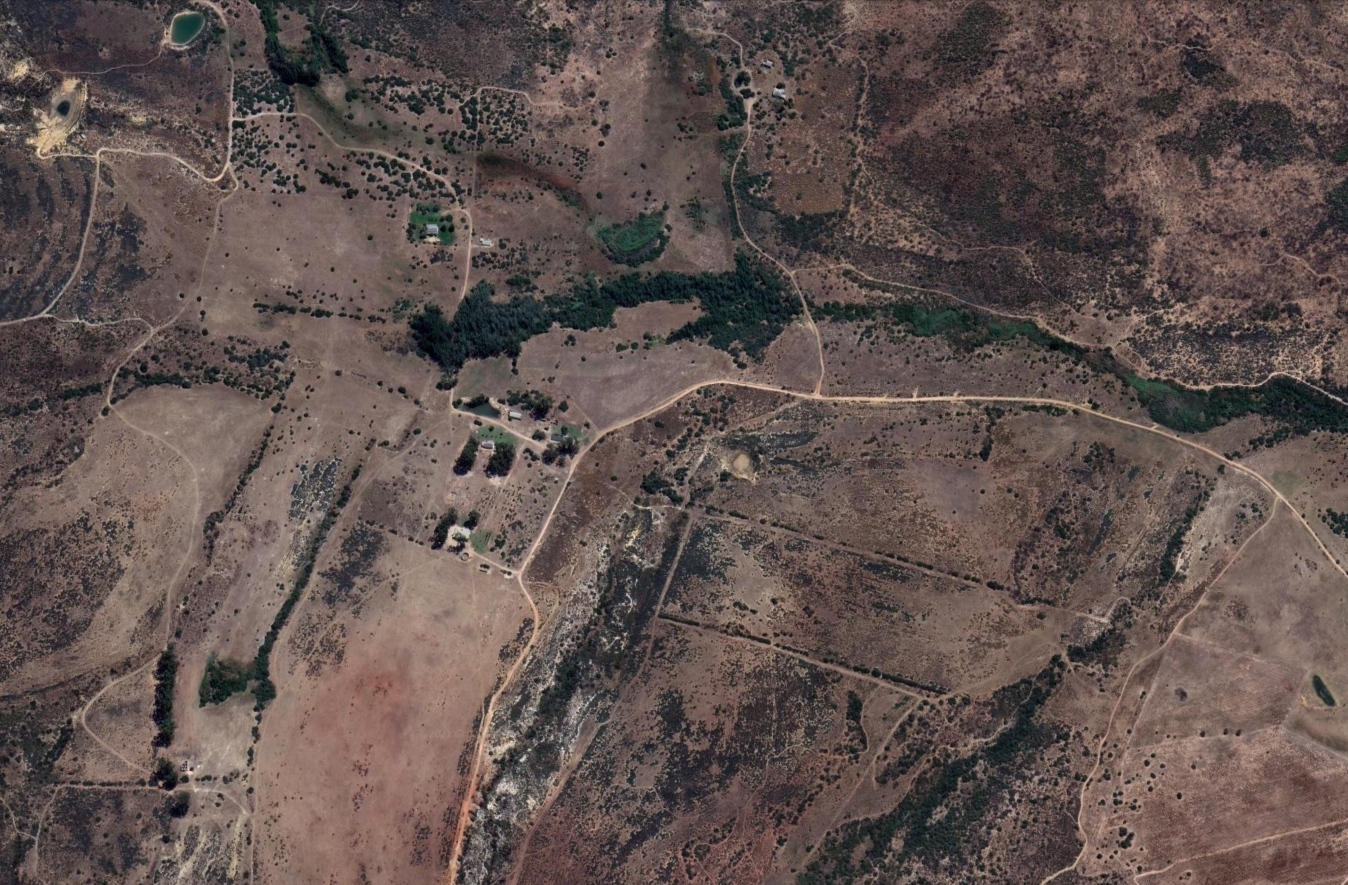
The le Roux family’s custodianship over the kloof began in 2007, when the family, together with other family members acquired the farm. Pierre began a process of ‘rewilding’ the fallow lands in the upper reaches of farm, allowing indigenous renosterveld fynbos to slowly recover (Renosterveld is especially rich in bulbs and other geophytes, which produce striking displays of flowers in early spring.) Barbed wire camps were removed and large areas of alien invasive trees were cleared with the help of the Working for Water program. With a focus on restoring indigenous wildlife, Cape mountain zebra, springbok, bontebok and vaal rhebok were reintroduced to the kloof. Leopards also regularly pass through the farm and black-eagles nest in the cliffs above the valley.
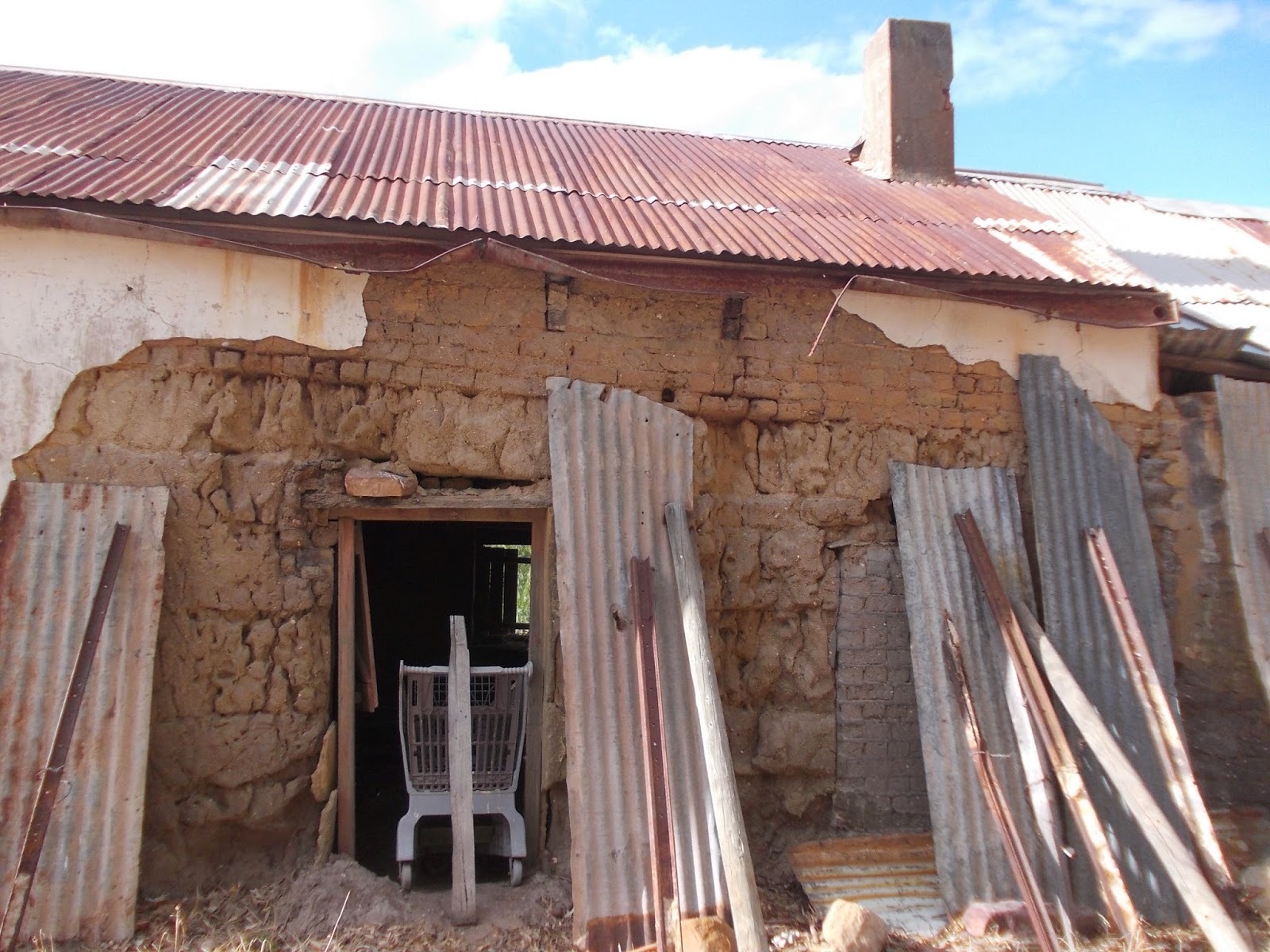
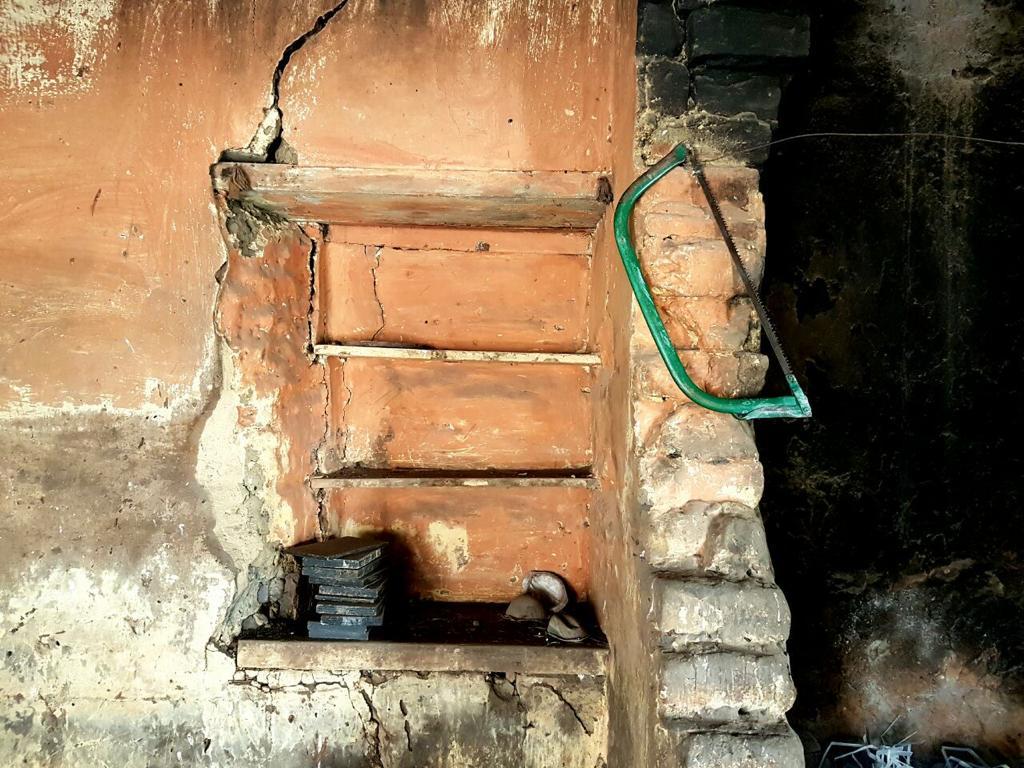
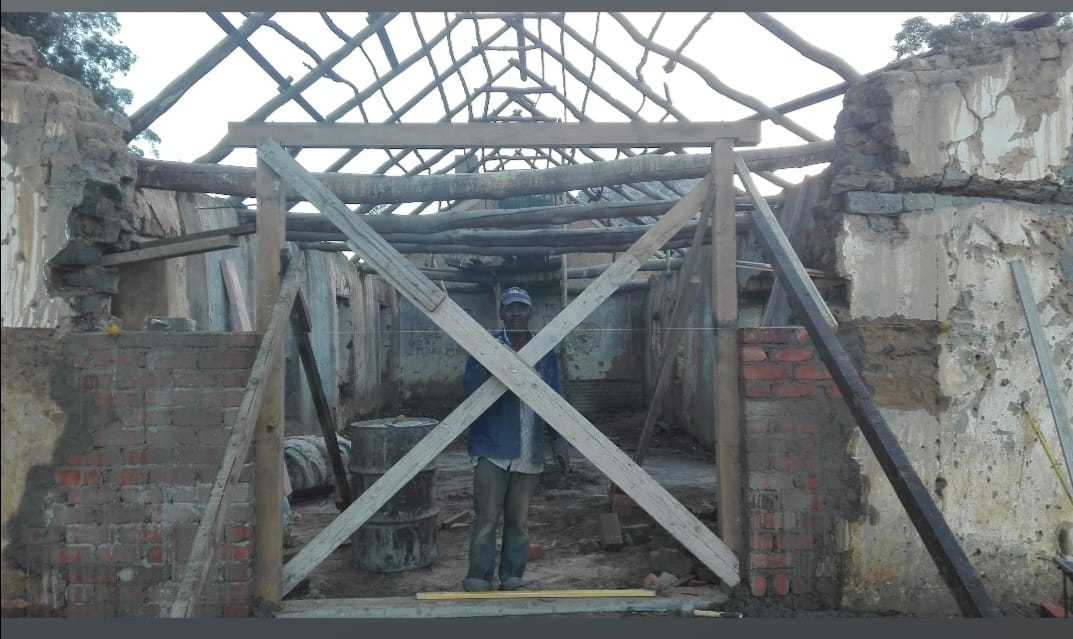
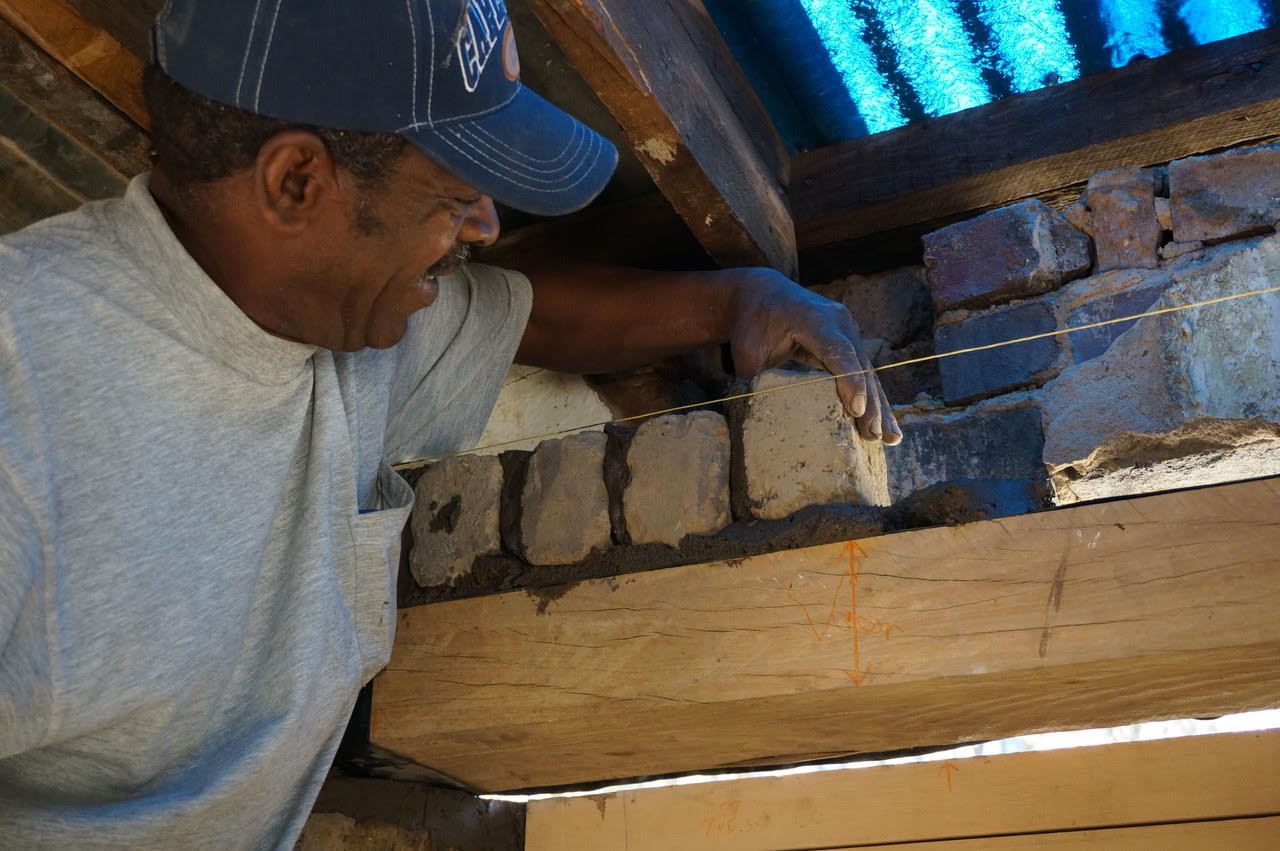
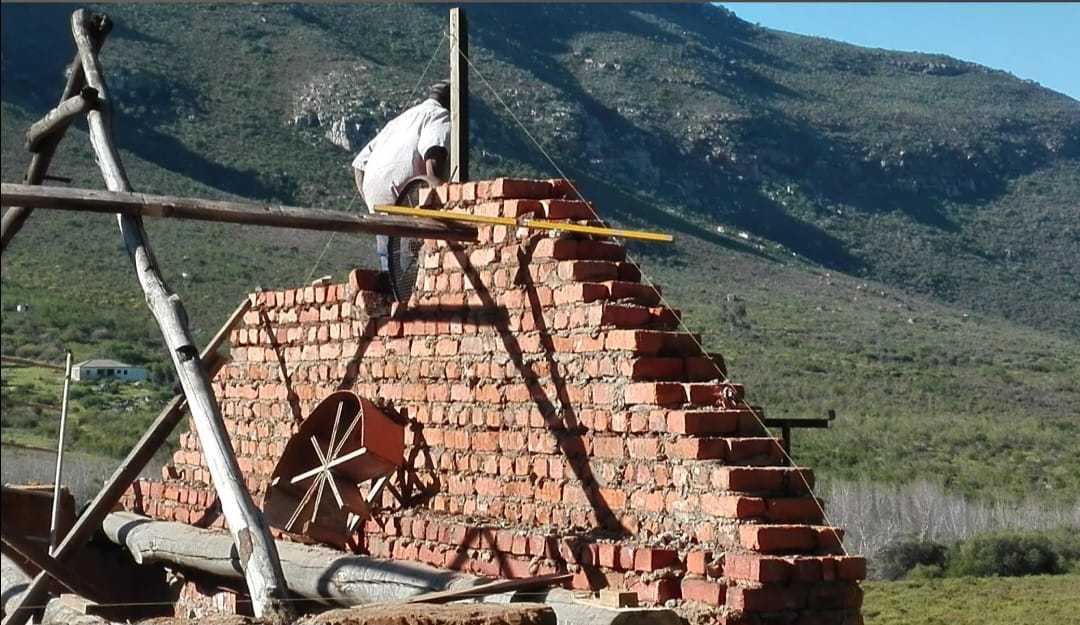
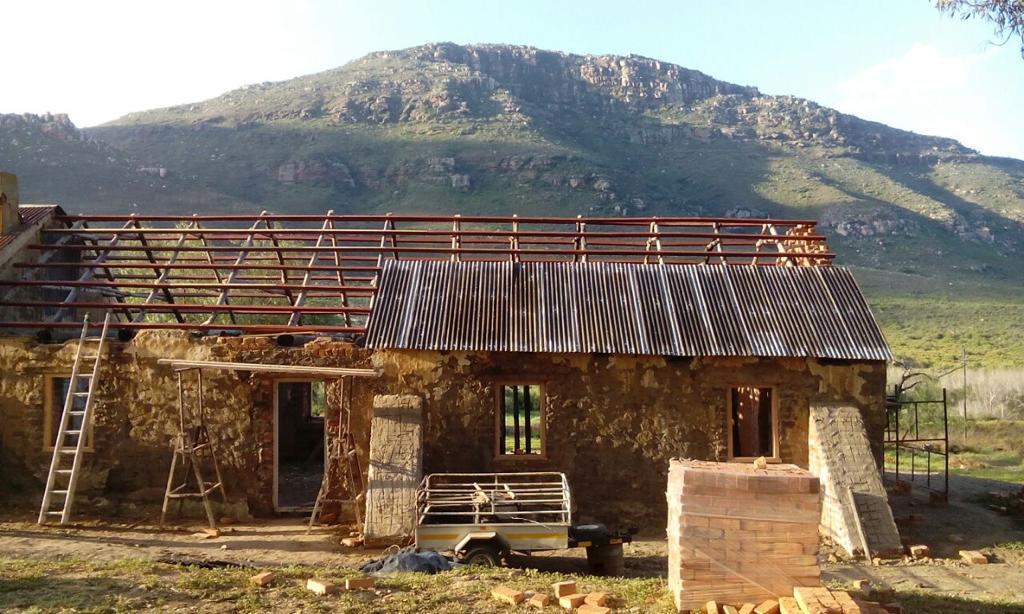
In tandem, a long and ongoing labour of love began with the restoration of the buildings on the farm using traditional materials and methods. Many of the houses were built from clay bricks made in the valley. The beams and lintels were harvested from blue-gum and poplar trees in the valley, and the walls were plastered with traditional lime plaster. This process was overseen by Pierre and Patrick Carter with the able help of Patrick Freyer from the Goedverwacht Moravian village, Jonkies and Lionel Goliath and Tot van Wyk. Some of the buildings date back to the 19th century and have been documented by the Vernacular Architecture Society of South Africa.
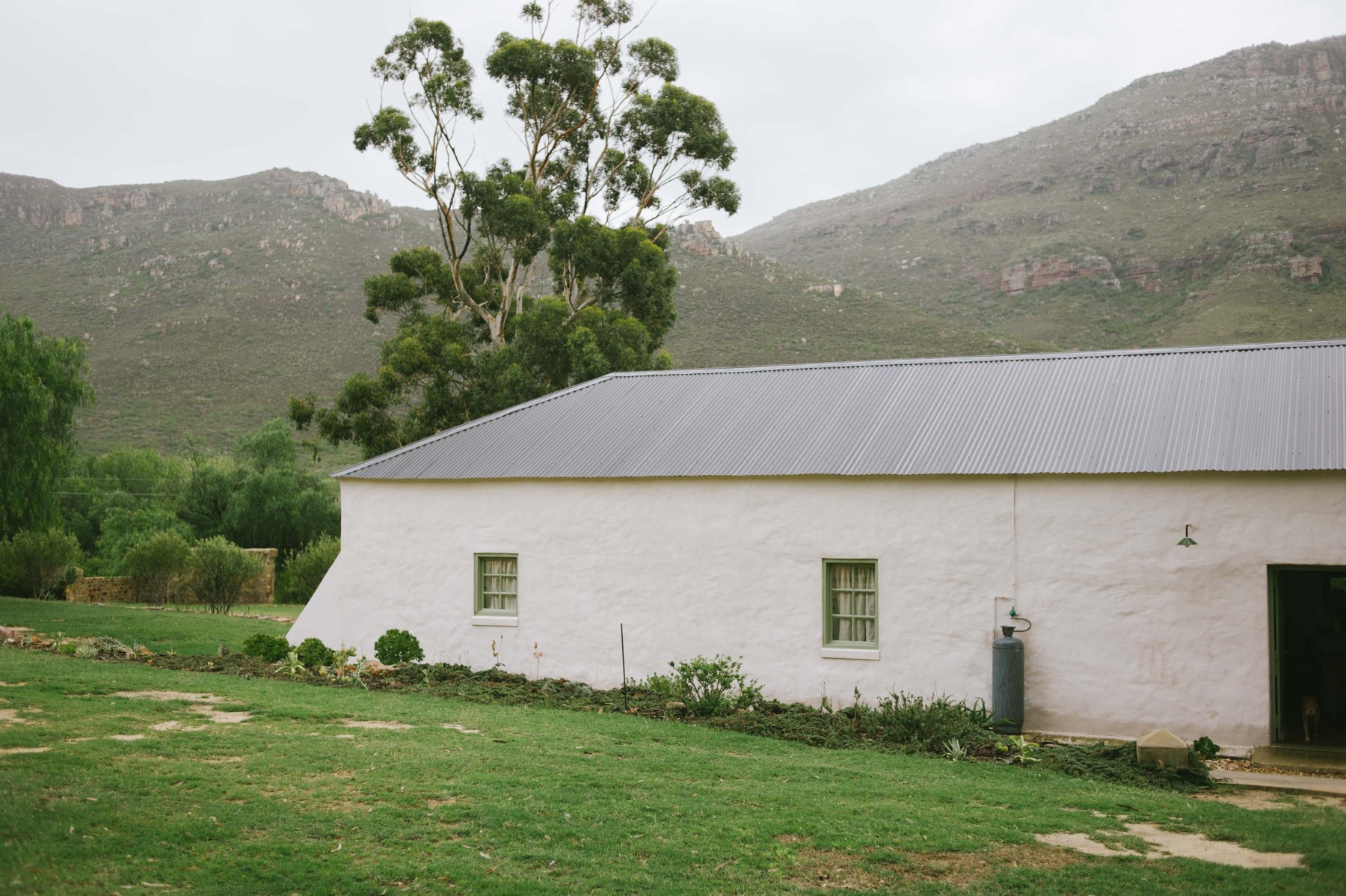
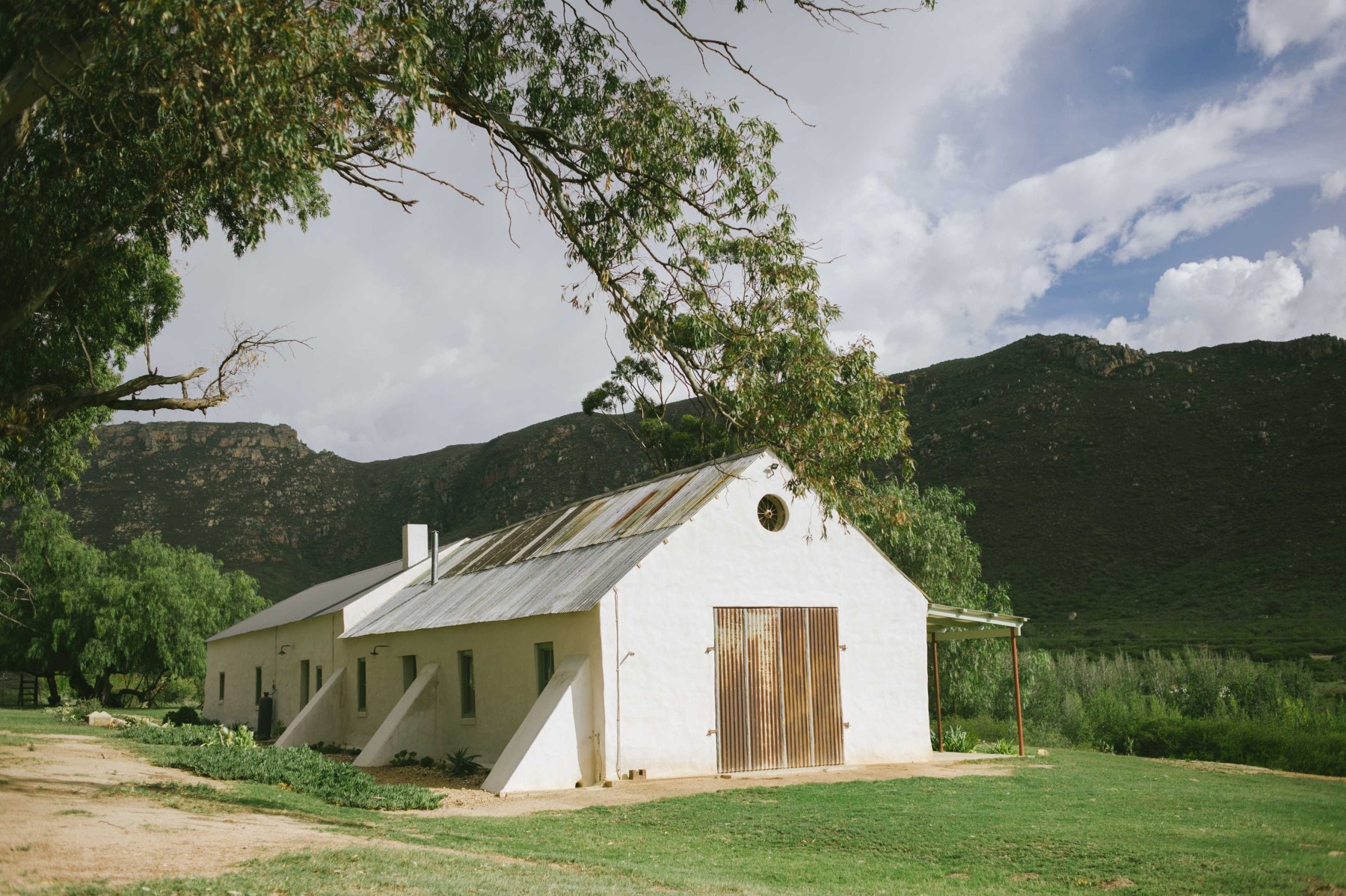
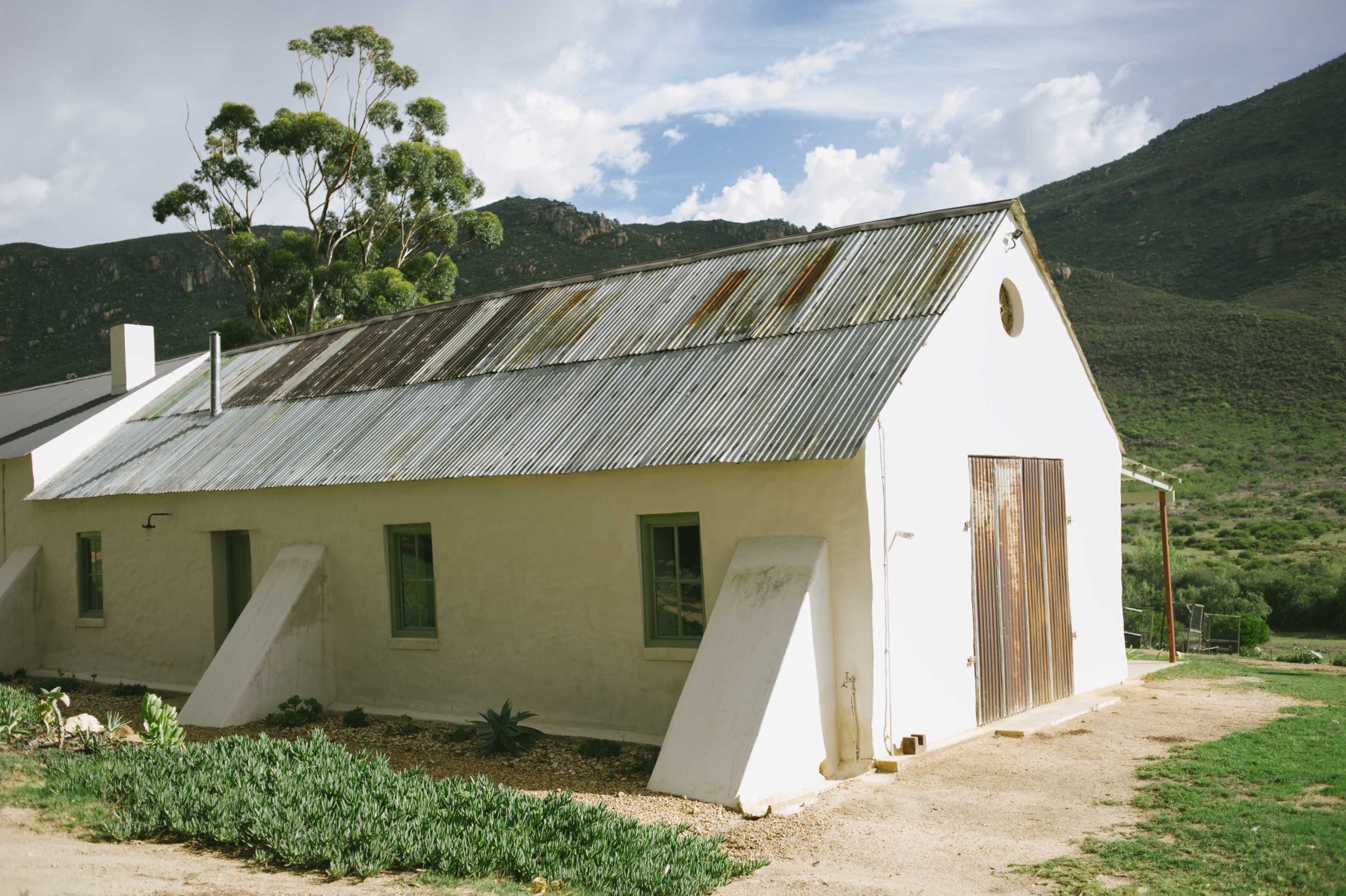
The long history of the kloof and the marks left on it by the many people who have lived out their lives here are a reminder that we are all but custodians of the land for the benefit of future generations.
Bibliography and further reading:
The writing of this short page greatly benefited from the work of the people of the Vernacular Architecture Society of South Africa, who completed a fascinating study of the Sandveld’s unique cultural and architectural heritage, available here. In addition, our understanding of the kloof’s past is indebted to the rich storytelling of Tot van Wyk and Jonkies Goliath.
Thomas Guy’s Masters Dissertation: An investigation of the regional expression of the vernacular architecture and cultural landscape in the Sandveld
L.A Wildenboer’s article on the origins of the name “Droëryskloof”
Pieter Schoonees. 2007. Piketberg: Die skuins dorp met regop mense. (Available at the Piketberg Museum)
Comments and suggestions are welcome.